Firebug: A Playful Handwritten Font for Engaging Content
As I embarked on redesigning the header for my lifestyle blog, I knew I needed a font that would capture the essence of playfulness and authenticity. Enter Firebug, a charming handwritten font that embodies a youthful and vibrant energy. This typeface is not just a font; it's a design asset that can transform the look and feel of any content.
Capturing the Visual Character of Firebug
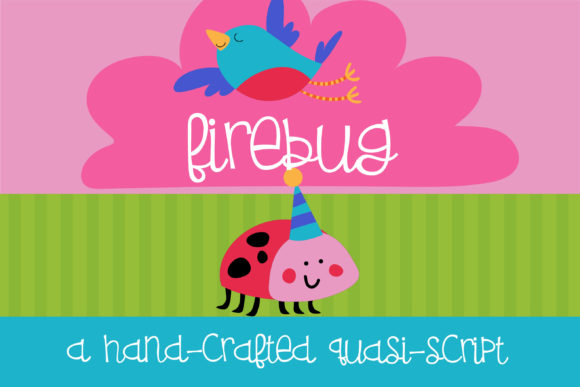
The first thing you notice about Firebug is its lively, almost whimsical character. The strokes are fluid and organic, with a natural rhythm that makes each letter feel like it was written by hand. This adds a personal touch to any design, making it perfect for creating a warm and inviting atmosphere. Whether you're designing a blog header, an ebook cover, or a newsletter graphic, Firebug brings a unique and engaging visual appeal.
Editorial Appeal and Versatility
One of the key strengths of Firebug is its versatility. It can be used in a variety of editorial contexts, from blog headers and article titles to magazine covers and chapter openers. For instance, in my recent project, I used Firebug for the main title of a recipe ebook. The playful yet elegant nature of the font perfectly complemented the theme of the book, making it stand out and inviting readers to dive into the recipes.
Supporting Visual Hierarchy and Reader Attention
When it comes to building a strong visual hierarchy, Firebug is a valuable tool. Its distinct and eye-catching style makes it ideal for titles, subtitles, and pull quotes. By using Firebug for these elements, you can guide the reader's attention and create a clear structure within your content. In my blog redesign, I used Firebug for the main headings, which immediately drew the reader's eye and set the tone for the rest of the page.
Readability and Practical Considerations
While Firebug is a fantastic choice for titles and decorative accents, it's important to consider readability for longer text. For body copy, I recommend pairing Firebug with a clean, readable serif or sans serif font. This combination ensures that the overall design remains both visually appealing and easy to read. Additionally, when using Firebug in digital formats, such as PDF exports or mobile layouts, it's crucial to test the font at different sizes to ensure it remains legible and retains its charm.
Font Pairing and Design Consistency
Pairing Firebug with other fonts is a creative way to enhance your design. For example, in a wedding guide, I paired Firebug with a classic serif font for the body text. This combination provided a balance between elegance and playfulness, making the guide both beautiful and functional. When selecting fonts to pair with Firebug, consider the overall mood and audience of your publication. A modern sans serif can add a contemporary touch, while a traditional serif can bring a touch of sophistication.
Practical Tips for Using Firebug
- Check Included Styles and Alternates: Before using Firebug, explore the included styles and alternates to add variety and personality to your design.
- Ligatures and Weights: Utilize ligatures and different weights to create a more dynamic and professional look.
- Multilingual Support: If your content is multilingual, ensure that Firebug supports the languages you need.
- File Formats and Licensing: Verify the file formats and commercial licensing before using Firebug in ebooks, templates, printables, or client publications.
Conclusion
Incorporating Firebug into your design projects can elevate the overall aesthetic and engage your audience in a fresh and delightful way. Whether you're working on a lifestyle blog, a recipe ebook, or a coaching workbook, this handwritten font offers a unique and memorable experience. By thoughtfully integrating Firebug with other design elements, you can create a cohesive and visually stunning publication that resonates with your readers.